
Same-Day Harassment Order Defense in Massachusetts: Owner-Run Counsel
Same-Day Harassment Order Defense in Massachusetts: Owner-Run Counsel
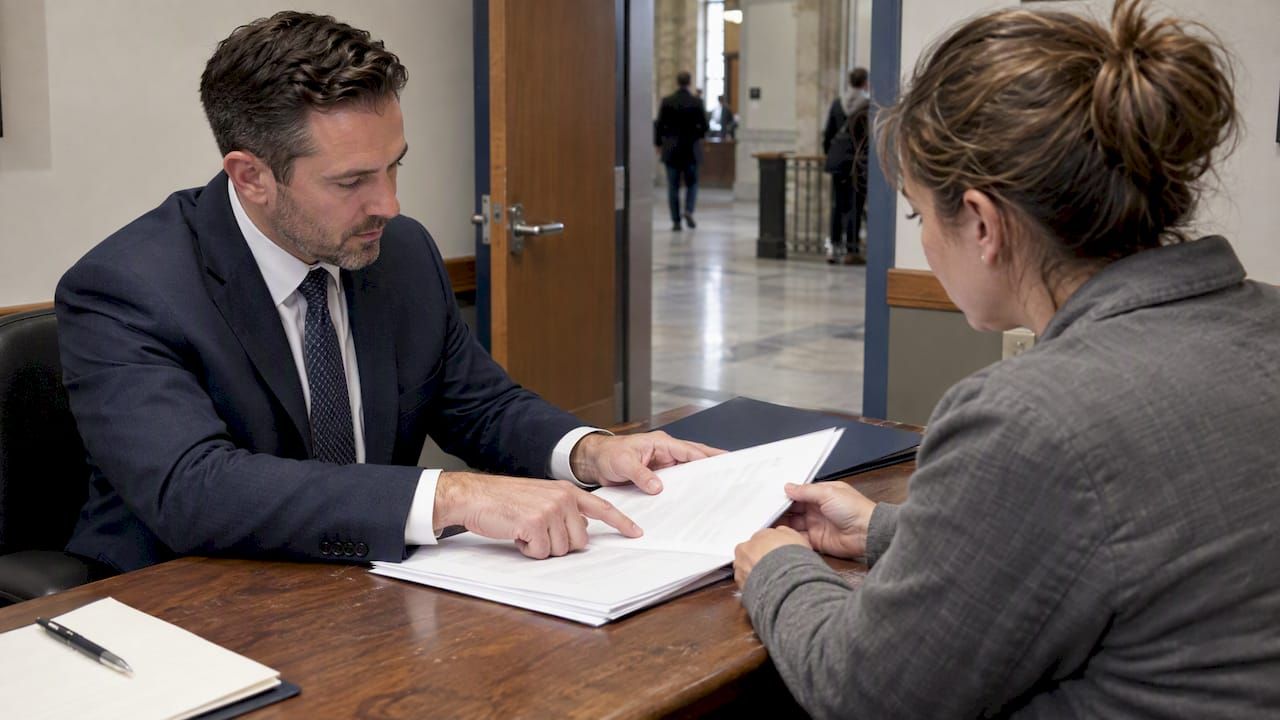
You can contest a harassment prevention or restraining order in Massachusetts, but you have to move fast to meet court deadlines and protect the evidence that supports your side. The hours right after you are served matter as much as anything that happens in the courtroom, and the choices you make early often decide whether the order gets extended, narrowed, or dismissed.
TL;DR:
- Court deadlines for contesting a harassment order are tight, requiring prompt action and preservation of digital, video, and witness evidence within days of service.
- Cross-examination, witnesses, and supporting documents are critical in hearings, with defenses focusing on mistaken identity, lawful contact, or lack of intent.
- Properly backing up phone data and obtaining timely legal help can prevent evidence loss and strengthen your case at probable cause or extension hearings.
- Violating a harassment order results in criminal charges or contempt, and courts consider active or violated orders heavily in custody and employment decisions.
- Early legal consultation and precise court filings are essential, with deadlines tied to individual court orders, not fixed statutory periods.
Table of Contents
- First Steps After Being Served With a Harassment Order
- How Harassment Order Hearings Work in Massachusetts
- Common Defenses and Evidence in Harassment Order Cases
- Penalties for Violating a Harassment Order in Massachusetts
- How an Attorney Handles Harassment Order Defense
- What to Ask and Bring to an Initial Attorney Consultation
- How to File a Response or Motion to Dismiss the Order
- Wrongly Served or Mistaken Identity: What to Do
- Modifying or Appealing a Harassment Order
- Why Direct Access to Your Attorney Matters in These Cases
- How We Can Help With Harassment Order Defense
- FAQ
First Steps After Being Served With a Harassment Order
The moment you are served, two clocks start running: the clock on your legal deadlines and the clock on your own conduct. Courts watch both closely.
- Read the order in full and note the exact hearing date, time, and courthouse location.
- Stop all contact with the petitioner immediately, including texts, calls, social media, and contact through third parties.
- Save every piece of communication and evidence you have, with timestamps intact.
- Identify any witnesses who can speak to the events described in the petition.
- Call a Massachusetts criminal-defense attorney the same day, especially if the order alleges violence or you fear a surrender or arrest.
A few things matter more than others during this window:
- No-contact means no contact , even if you believe the petitioner wants to talk or clear things up.
- Screenshots and call logs lose value if you wait, since messages can be deleted or platforms can purge data.
- Camera footage from a home, business, or municipal source often gets overwritten within days.
- The clerk magistrate or court clerk's office can confirm your hearing date if the paperwork is unclear.
Our blog post on what to do after being served with a 209A order walks through this timeline in more detail, including how to prepare for the hearing itself.
Pro Tip: Write down everything you remember about the incident the petitioner describes while it is fresh. Memory fades fast, and a dated, handwritten account can become useful later.
How Harassment Order Hearings Work in Massachusetts
Massachusetts handles harassment prevention orders under Chapter 258E, and the process typically moves through more than one stage depending on what the petitioner alleges and whether criminal charges accompany the civil order.
- A clerk magistrate hearing is often the first stop when a criminal complaint is involved. The magistrate decides whether probable cause exists to issue a criminal complaint, not whether you are guilty.
- A probable cause hearing asks whether there is enough evidence to support the allegation moving forward. It is a lower bar than proof beyond a reasonable doubt, but it is not a rubber stamp.
- The extension or modification hearing on the 258E order itself is separate from any criminal proceeding and focuses on whether the order should continue, change, or end.
At these hearings, the petitioner usually testifies first, often supported by a written affidavit filed when the order was requested. You or your attorney then have the chance to cross-examine, present your own testimony, and introduce exhibits.
Preparation matters: bring any physical or digital evidence organized by date, have a witness list ready if people can testify in person or by affidavit, and plan your own testimony carefully, since anything said in a civil 258E hearing can resurface in a related criminal matter. Our overview of probable cause hearings and the 4-day request window covers the timing issues that trip up many respondents who miss a filing deadline.
Common Defenses and Evidence in Harassment Order Cases
Most harassment order defenses rest on undercutting one of three things: that the contact happened, that it was unwanted, or that it meets the legal definition of harassment under Chapter 258E.
- Mistaken identity arises when the petitioner misidentifies who contacted them, especially in cases involving shared devices, group chats, or similar names.
- Lawful contact applies when the communication was for a legitimate purpose, such as co-parenting logistics or a shared lease.
- Lack of intent challenges whether the conduct was meant to cause fear, intimidation, or abuse, which the statute requires.
- Consent or invited contact can undercut claims that communication was unwanted, particularly when prior messages show the petitioner initiated contact.
- Inconsistent statements between the original affidavit, later testimony, and other evidence can weaken the petitioner's credibility.
The evidence that supports these defenses is usually sitting on your phone or in your email, if you preserve it before it disappears:
- Text and messaging timestamps that establish who contacted whom and when.
- Phone metadata and call logs showing frequency and direction of contact.
- Security or doorbell camera footage covering the alleged incident.
- GPS or location data that can place you away from the claimed location.
- Written witness statements from people who observed the interaction or the relationship between the parties.
Preserving this evidence properly matters as much as having it. Screenshots should capture full conversation threads, not isolated messages, and original files should be backed up rather than edited. Defense counsel typically authenticates this material at hearing through witness testimony or records requests. When the alleged conduct involves third-party surveillance or stalking behavior, a private investigator, such as services that document stalking and harassment patterns, can sometimes help build an independent evidentiary record.
Pro Tip: Back up your phone the day you are served, before deleting anything or getting a new device. A full backup preserves metadata that a simple screenshot does not.
Penalties for Violating a Harassment Order in Massachusetts
An active 258E order carries real consequences even before any violation, and violating it adds a separate layer of criminal exposure.
- Criminal charges for violating a harassment prevention order can bring fines or jail time, and courts treat these violations seriously regardless of how minor the contact seemed.
- Contempt proceedings can run alongside or instead of a criminal charge, particularly for technical violations of the order's terms.
- Employment and housing consequences often follow from a criminal record, since many employers and landlords run background checks that surface restraining order violations.
- Custody and visitation disputes frequently cite an active or violated harassment order, since family courts weigh it heavily when deciding parenting time.
Our restraining orders overview explains how these civil and criminal tracks interact in Massachusetts. Because a single misstep (a text sent in frustration, a chance encounter at a shared location) can trigger a new criminal complaint, the safest course is to treat every term of the order as absolute until a court changes it, and to have an attorney review any contact that might be unavoidable, such as custody exchanges.
How an Attorney Handles Harassment Order Defense
Experienced Massachusetts defense counsel approaches a harassment order case in stages, starting well before the hearing date.
- Initial case intake involves reviewing the petition, affidavit, and any police reports, then identifying gaps or inconsistencies in the petitioner's account.
- Evidence review covers your phone records, messages, and any witness statements, organized into what supports your position and what needs further documentation.
- Courtroom advocacy at a probable cause or extension hearing includes cross-examining the petitioner, presenting your witnesses, and introducing exhibits in the format the court expects.
- Administrative steps can include filing motions to dismiss, negotiating stipulations that narrow an order's terms, or requesting modification when circumstances change.
A respondent who misses the clerk magistrate's stated deadline to request a hearing can lose the chance to contest probable cause before a complaint issues , according to our guide on probable cause hearing timing, which is why early contact with counsel matters more than most respondents expect.
Our practice emphasizes consistent communication from intake through the final hearing by having clients work with a primary attorney. Our firm's no-contact order checklist and related blog resources give respondents a practical starting point before that first consultation.
What to Ask and Bring to an Initial Attorney Consultation
Choosing counsel under time pressure means asking pointed questions fast.
- Ask how much courtroom experience the attorney has specifically with 209A and 258E matters, not just criminal defense generally.
- Ask whether the attorney personally appears at hearings or sends other staff.
- Ask about fee structure upfront, including whether the initial consultation carries a cost.
- Ask about emergency availability, since harassment order hearings often happen on short notice.
Clear, direct answers to these questions are a green flag. Vague responses, or an inability to confirm availability for your hearing date, are red flags worth taking seriously.
Bring the original order paperwork, copies of relevant communications, a list of potential witnesses with contact information, and any police reports connected to the case.
How to File a Response or Motion to Dismiss the Order
Respondents in Massachusetts generally have the right to request a hearing to contest a harassment prevention order, and in some cases to file a motion to dismiss or modify it before the scheduled extension date.
The process usually starts with filing a written request at the court that issued the order, specifying whether you are asking to dismiss the order entirely, narrow its terms, or simply contest an extension. The clerk's office can confirm the correct form and filing deadline, which is often tied to the date on the order itself rather than a fixed statutory window.
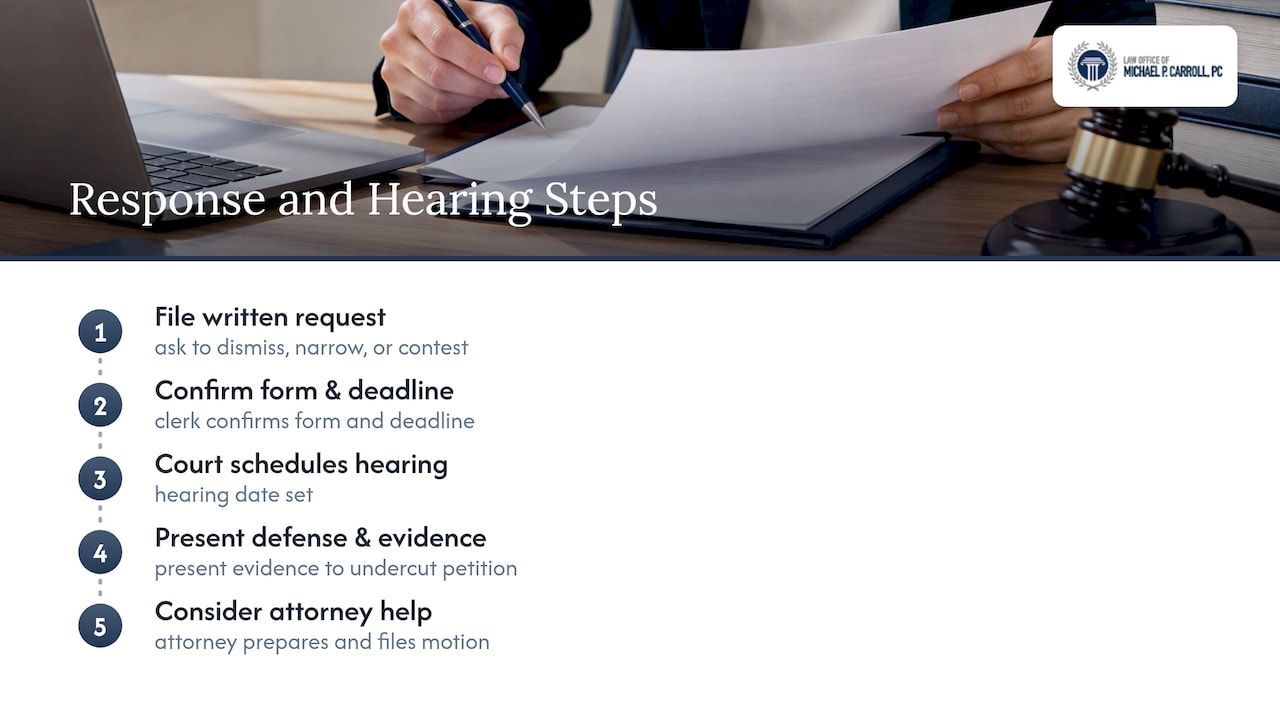
Once filed, the court schedules a hearing where you can present your defense, including any evidence that undercuts the original petition. A motion to dismiss typically argues that the legal standard for harassment under Chapter 258E was not met, that the order was based on insufficient or unreliable evidence, or that the underlying facts do not support continued restrictions.
Because these filings have to track the specific language of the original order and the court's local procedures, many respondents find it faster and safer to have an attorney prepare and file the motion rather than attempt it alone. Our harassment prevention page describes how we approach these filings for Massachusetts clients facing an active order.
Missing a filing deadline can mean living under the order's terms until the next scheduled review, so confirming the exact deadline with the court clerk the same day you decide to contest the order is worth the phone call.
Wrongly Served or Mistaken Identity: What to Do
Mistaken identity happens more often than people expect, particularly when a petitioner names someone with a similar name, a shared address, or a connection to a shared device or account used by someone else.
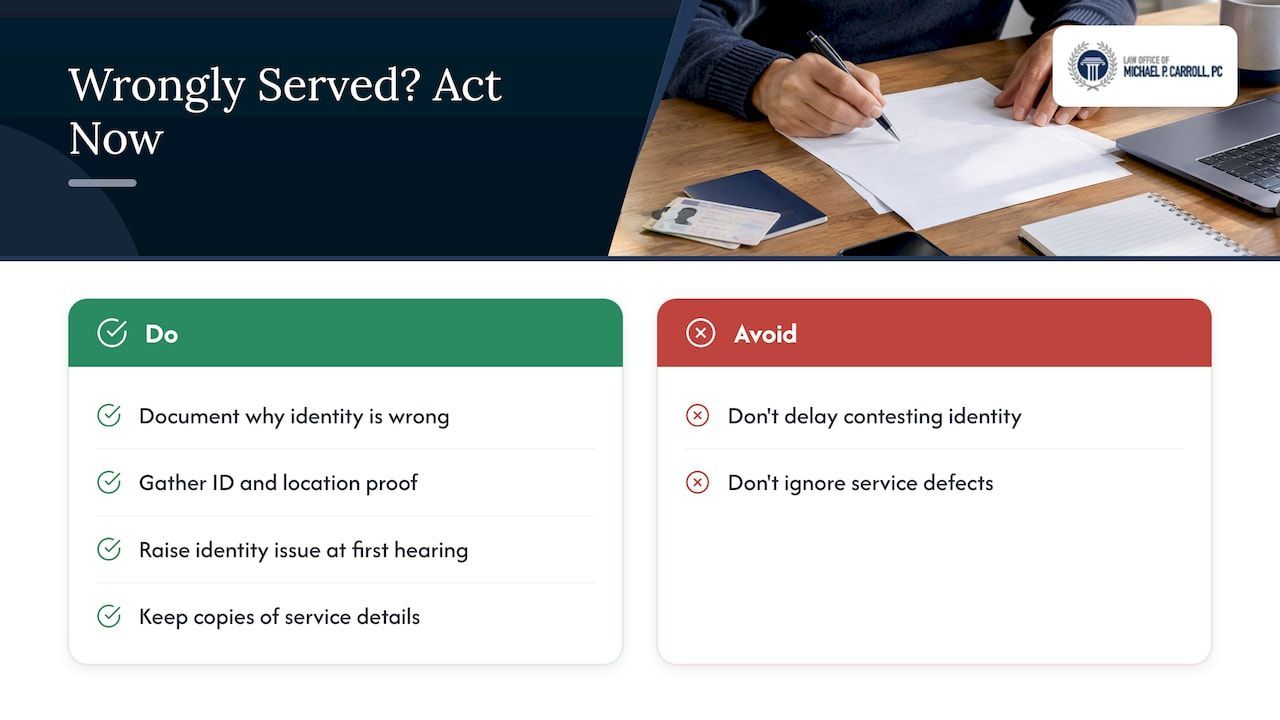
If you believe you were wrongly served or that the order was issued against the wrong person, start by documenting why. Gather identification records, proof of your location during the alleged incident, and any evidence showing another person was responsible for the contact in question, such as device logs or account access records.
Raise the issue at the earliest possible hearing rather than waiting, since courts generally expect respondents to contest identity problems promptly once they become aware of them. An attorney can request the court review the original affidavit and supporting evidence specifically on the identity question, which is a narrower and often faster argument than a full defense on the merits.
If service itself was improper (the wrong address, an expired order served late, or no proper notice given) that is a separate procedural defect that can support a motion to dismiss on its own. Courts take proper service seriously because the respondent's due process rights depend on it.
Keep copies of everything related to the service itself: the date, time, and method, along with who served the paperwork. These details matter if you need to challenge whether the order was properly issued or delivered in the first place.
Modifying or Appealing a Harassment Order
Circumstances change, and Massachusetts courts allow respondents to request a modification of an active 258E order when the original terms no longer fit the situation, such as a shared custody exchange location that the order currently prohibits.
A modification request typically goes to the same court that issued the order, laying out specifically what should change and why. Courts weigh these requests against the petitioner's stated safety concerns, so a modification request supported by concrete evidence (a custody agreement, a shared lease, a documented need for limited contact) tends to carry more weight than a general request for leniency.
An appeal is different from a modification. If you believe the order was issued or extended in error, Massachusetts respondents can generally appeal through the court system, though the timeline for filing an appeal is strict and varies depending on the court level involved. Missing that window typically forecloses the appeal, leaving modification as the only remaining option.
Given how fact-specific both processes are, and how much courts rely on the respondent's documentation, having an attorney draft the modification or appeal filing improves the odds that the request addresses exactly what the court needs to see. Our restraining orders page outlines how these requests fit into the broader defense process for Massachusetts respondents.
Why Direct Access to Your Attorney Matters in These Cases
Harassment order cases move fast, and clients often need answers at odd hours: the night before a hearing, the morning after an alleged violation, or the moment a new filing lands. We built our practice around direct access to Michael P. Carroll specifically because these cases do not follow a tidy schedule.
Our early priorities in any harassment order matter are the same: confirm the client understands the no-contact terms, lock down evidence before it disappears, and start preparing courtroom advocacy well before the hearing date arrives. Clients tell us that knowing they can reach the attorney handling their case, rather than a rotating staff member, changes how they experience an already stressful process.
— Michael Carroll
How We Can Help With Harassment Order Defense
If you have been served with a harassment prevention or restraining order in Massachusetts, we handle these cases directly, from the first phone call through the final hearing. We focus on Attleboro and the surrounding Massachusetts communities, and we work one-on-one with clients rather than passing cases between staff.
- We review your paperwork and evidence the same day you contact us whenever possible.
- We prepare you for clerk magistrate, probable cause, and extension hearings with a clear sense of what to expect.
- We handle emergency scheduling when a hearing is days away.
Bring your original order, any communications with the petitioner, and contact information for potential witnesses to your consultation. Visit our harassment prevention services page to learn more about how we defend these cases, or reach out directly to schedule a consultation before your next court date.
This article is general information, not a substitute for advice from a qualified lawyer. Consult a qualified legal professional about your own circumstances before acting on anything here.
FAQ
Can I contest a harassment prevention order in Massachusetts?
Yes, Massachusetts respondents have the right to contest a harassment prevention order at a scheduled hearing, including challenging the evidence or the legal basis for the order. Acting quickly and gathering supporting evidence improves the chances of a favorable outcome.
What happens if I violate a harassment order?
Violating an active harassment order can lead to separate criminal charges, contempt proceedings, fines, or jail time, independent of the underlying allegation in the original petition. Our restraining orders overview explains how these violation cases typically proceed.
How long do I have to request a hearing after being served?
Deadlines vary depending on the type of hearing and the specific order, so confirming the exact date with the court clerk immediately after service is essential. Our guide on probable cause hearing timing explains how these windows work in Massachusetts.
Does a harassment order affect child custody?
Family courts often weigh an active or violated harassment order heavily when deciding custody or visitation arrangements. Addressing the underlying order promptly, rather than letting it stand unchallenged, can matter for ongoing custody disputes.
What should I bring to my first meeting with a defense attorney?
Bring the original order paperwork, any communications with the petitioner, a list of potential witnesses, and copies of any police reports. Having these organized helps counsel assess your case quickly, which matters when hearing dates are close.