
Request Within 4 Days: A Mass. Attorney on Probable Cause Hearings
Request Within 4 Days: A Mass. Attorney on Probable Cause Hearings
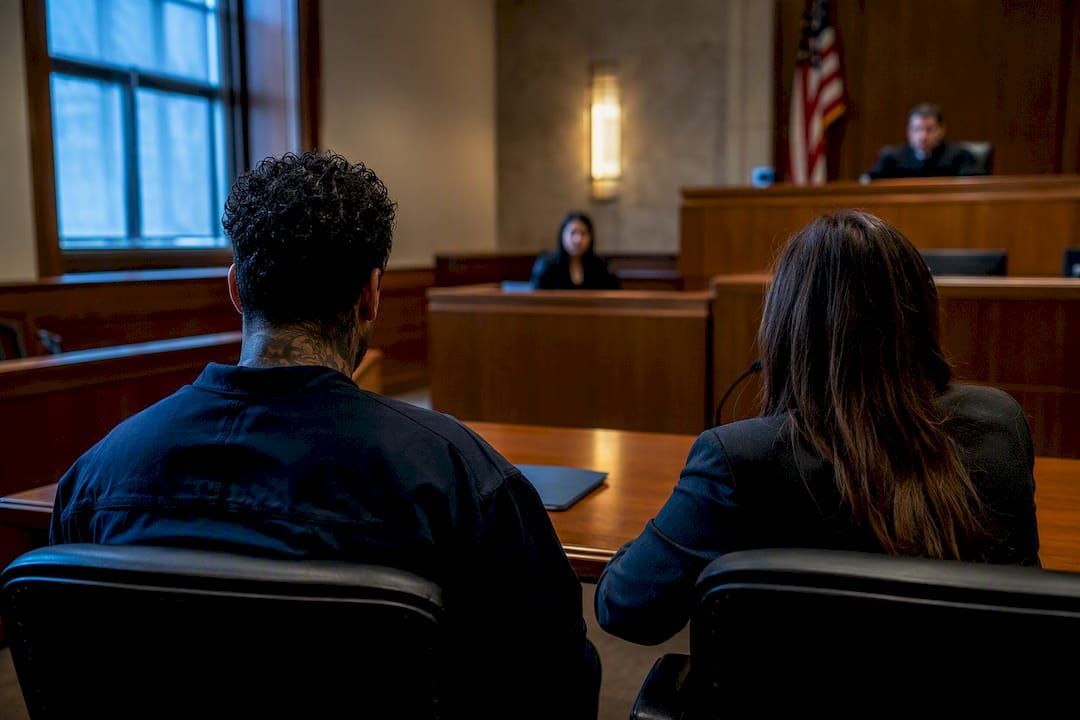
A probable cause hearing in Massachusetts tests one narrow question: does the Commonwealth have enough reliable evidence to issue a criminal complaint or send your case to Superior Court? The stakes hinge on which version you face. A clerk-magistrate hearing is informal and often skips your record entirely if it goes well. A formal bind-over hearing follows strict evidence rules, and losing means arraignment and, in serious felony cases, a trip to Superior Court.
TL;DR:
- A show-cause hearing applies mainly to misdemeanors and can prevent a criminal record if no complaint is issued, while a bind-over hearing addresses serious felony cases using formal evidence rules.
- Timing depends on whether you're requesting a hearing after a citation or facing a formal bind-over, with weeks typically passing before the actual hearing in most courts.
- Participants include the magistrate or judge, police witnesses, prosecutors, you, your attorney, and any witnesses, with your rights to counsel and to cross-examine protected at both stages.
- The evidence standard at a show-cause hearing is lower, relying on trustworthy but hearsay evidence, whereas a formal bind-over requires stronger, trial-like proof.
- If probable cause is not found, the case may never appear on your record; if it is, you proceed to arraignment, and you cannot relitigate the probable cause determination afterward.
Table of Contents
- What Is a Clerk-Magistrate Hearing vs. a Probable Cause Hearing?
- When Does a Probable Cause Hearing Get Scheduled?
- Who Attends and What Rights Do You Have?
- What Happens During the Hearing, Step by Step?
- What Are the Possible Outcomes and What Comes Next?
- How Should You Prepare for a Probable Cause Hearing?
- A Practitioner's View on Common Pitfalls
- How Law Office of Michael P Carroll Handles These Hearings
- Sources
- FAQ
What Is a Clerk-Magistrate Hearing vs. a Probable Cause Hearing?
Massachusetts actually runs two distinct proceedings under the "probable cause" umbrella, and mixing them up costs people real advantages.
A clerk-magistrate hearing , sometimes called a show-cause hearing, exists under G.L. c. 218 §35A. It generally applies to misdemeanors where police issued a citation rather than making an arrest. These sessions are informal, typically closed to the public, and function as an off-ramp: if the clerk-magistrate declines to issue the complaint, the case never touches your criminal record.
A probable cause (bind-over) hearing is a different animal, governed by G.L. c. 276 §38 and Rule 3 of the Massachusetts Rules of Criminal Procedure. It applies to indictable offenses, uses formal rules of evidence, and gives you the right to counsel and cross-examination.
- Show-cause hearings screen minor matters before a complaint ever issues.
- Bind-over hearings decide whether a felony case proceeds toward Superior Court.
- An indictment returned by a grand jury can eliminate the need for a bind-over hearing altogether.
- Waiving indictment shifts a case's procedural track entirely.
If you're unsure which one applies to your notice, our overview of a clerk magistrate hearing in Massachusetts walks through the paperwork differences in plain terms.
When Does a Probable Cause Hearing Get Scheduled?
Three events trigger these hearings, and the clock starts differently for each.
The most common trigger is an application for a criminal complaint after police file for one instead of arresting you. If you received a citation for a misdemeanor rather than being arrested, you generally must request a show-cause hearing within a few days of receiving that citation, per Mass.gov guidance on pre-arraignment procedure. Missing that window may close the option.
Felony cases designated for potential Superior Court prosecution follow a separate track toward a formal bind-over hearing, unless a grand jury acts first.
- A grand jury indictment moots the need for a bind-over hearing.
- Prosecutor discretion over charging can push scheduling earlier or later.
- Continuances are common when witnesses are unavailable, discovery hasn't been turned over, or the magistrate's calendar is backed up.
Timing varies by court, but expect weeks, not days, between the initial notice and the actual hearing date in most Bristol and Norfolk County courts.
Who Attends and What Rights Do You Have?
The room is smaller than most people expect, but the rights inside it matter enormously.
Typical participants include the clerk-magistrate or a District Court judge, the complaining witness or police officer, a prosecutor (sometimes a police prosecutor rather than an assistant district attorney at the show-cause stage), you, your defense attorney, and any witnesses either side calls.
Your core protections include:
- The right to counsel at both show-cause and bind-over hearings.
- The right to hear the evidence presented against you.
- The right to cross-examine the Commonwealth's witnesses.
- The right to present your own witnesses and evidence.
Myers v. Commonwealth established that formal bind-over hearings must allow meaningful cross-examination and a genuine opportunity to present a defense, not a rubber-stamp exercise. That said, a magistrate retains discretion to limit testimony that's cumulative or plainly irrelevant, and the scope of that discretion runs wider at a show-cause hearing than at a formal probable cause hearing.
Pro Tip: If your matter involves a personal relationship, such as a domestic assault allegation, review our guide on rights in Massachusetts domestic assault cases before the hearing. The evidentiary issues often overlap with restraining order proceedings.
What Happens During the Hearing, Step by Step?
The sequence is fairly predictable once you know what to expect.
- The prosecution presents its case first, usually through sworn testimony or affidavits from the officer or complaining witness.
- You or your attorney cross-examines those witnesses.
- Your defense may call its own witnesses or introduce documents.
- The magistrate or judge rules on whether probable cause exists.
The evidence standard shifts depending on which hearing you're in. At a show-cause hearing, District Court Standards of Judicial Practice define probable cause as "reasonably trustworthy information sufficient to warrant a prudent person in believing" a crime occurred, a fairly forgiving bar that admits hearsay and affidavits. At a formal bind-over hearing, the rules tighten. Myers treats the bind-over quantum as higher than ordinary arrest probable cause, closer to what a judge would require to survive a directed-verdict motion at trial.
That distinction explains why an attorney who treats both hearings identically often walks in unprepared for the one that actually follows trial-like evidence rules.
What Are the Possible Outcomes and What Comes Next?
Three things can happen, and each sends your case down a different path.
- Probable cause found: the complaint issues (or the case binds over to Superior Court for felonies), and you'll be scheduled for arraignment.
- No probable cause: the complaint doesn't issue, and in many show-cause cases, the matter never becomes a public criminal record.
- Complaint issues, but you disagree with the finding: your remedy generally isn't a second evidentiary hearing.
Massachusetts courts, following Commonwealth v. DiBennadetto, have held that a defendant can't get a de novo hearing before a judge simply to relitigate a clerk-magistrate's probable cause finding. The standard remedy once a complaint issues is a motion to dismiss, filed after arraignment. Our breakdown of what happens at a Massachusetts arraignment covers that next stage in detail.
How Should You Prepare for a Probable Cause Hearing?
Preparation determines outcomes here more than in almost any other pretrial proceeding, because the record you build (or fail to build) sticks with the case.
- Confirm the exact date, time, and courtroom, and note whether you're attending a show-cause or formal probable cause hearing.
- Request police reports and affidavits from the clerk's office early. They aren't handed over automatically, and practitioner guidance from the Massachusetts Bar Association recommends requesting them well before your date.
- Gather witness contact information and any documents, texts, or records that support your version of events.
- Bring identification and any paperwork the court sent you.
- Contact the police prosecutor beforehand. Cases resolve informally at this stage more often than most people assume.
Pro Tip: If your evidence isn't ready, a short continuance to obtain reports beats rushing into a hearing where the officer's account stands unchallenged. An attorney can request that continuance and use the extra time to negotiate directly with the prosecutor.
Our criminal law practice overview explains how counsel typically approaches these negotiations before a complaint ever issues.
A Practitioner's View on Common Pitfalls
Most people lose ground at these hearings for the same three reasons: they never requested the police report, they waited until days before the hearing to call a lawyer, and they assumed the magistrate had to accept the officer's version without pushback. None of those are legal complexities. They're preparation failures.
Informal resolution at the clerk-magistrate level is genuinely realistic for first offenses and minor misdemeanors, but only if someone engages the prosecutor early. Formal bind-over hearings demand a different posture entirely, closer to a mini-trial than a negotiation. Knowing which mode you're in changes everything about how you prepare.
— Michael Carroll
How Law Office of Michael P Carroll Handles These Hearings
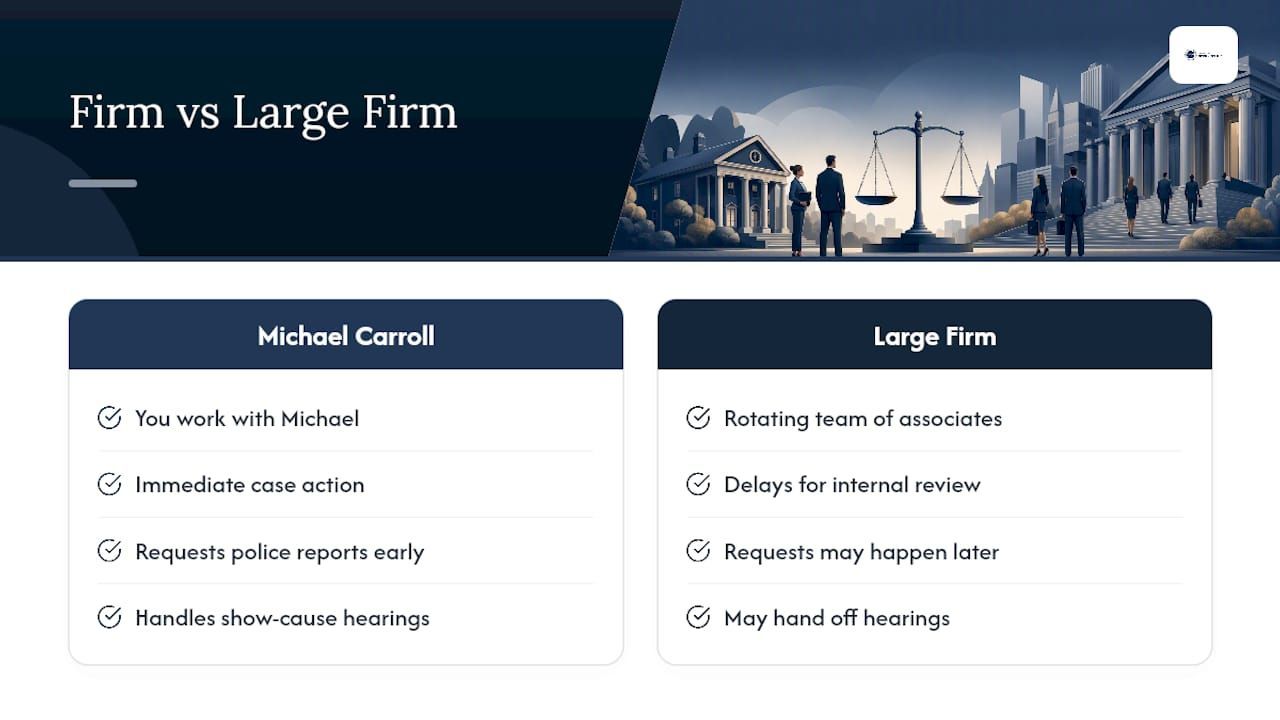
Law Office of Michael P Carroll is the direct alternative to a large firm hand-off for clerk-magistrate and probable cause hearings across Bristol, Norfolk, and Plymouth Counties, including Quincy. You work with Michael Carroll himself from the first phone call through arraignment, not a rotating team of associates.
The firm represents clients at show-cause hearings, formal probable cause proceedings, arraignments, and motions to dismiss, along with related DUI and OUI defense matters that frequently arise from the same citation. Because Michael Carroll personally handles case strategy, requesting police reports and reaching out to the police prosecutor before your hearing date happens immediately, not after a delay for internal case review.
If you've received notice of a hearing, an initial consultation covers your specific charge, the evidence the Commonwealth likely has, and whether a continuance or early negotiation makes sense. Visit the criminal law practice page to get started before your hearing date arrives.
This article is general information, not a substitute for advice from a qualified lawyer. Consult a qualified legal professional about your own circumstances before acting on anything here.
Sources
FAQ
What Should I Expect at a Probable Cause Hearing?
Expect the prosecution to present testimony or affidavits first, followed by your attorney's cross-examination and the chance to present your own evidence, after which the magistrate or judge rules on whether probable cause exists.
How Long Before a Probable Cause Hearing Is Scheduled?
If you received a citation, you generally must request a show-cause hearing within 4 days of receiving it; the hearing itself is often scheduled weeks out depending on the court's calendar.
What Happens After a Probable Cause Hearing?
If probable cause is found, a complaint issues and arraignment follows, or a felony case binds over to Superior Court; if not found, the complaint typically doesn't issue and the matter may never become a public record.
How Does a Judge Determine Probable Cause?
A judge or magistrate weighs whether the evidence is "reasonably trustworthy" enough to warrant a prudent person believing a crime occurred, with formal bind-over hearings applying a higher standard than show-cause proceedings.
Can I Appeal a Clerk-Magistrate's Probable Cause Finding?
No direct evidentiary rehearing exists once a complaint issues; the standard remedy is a motion to dismiss filed after arraignment, as established in Commonwealth v. DiBennadetto.