
Massachusetts Harassment Order Appeals: Entry Date, Not Hearing Date
Massachusetts Harassment Order Appeals: Entry Date, Not Hearing Date
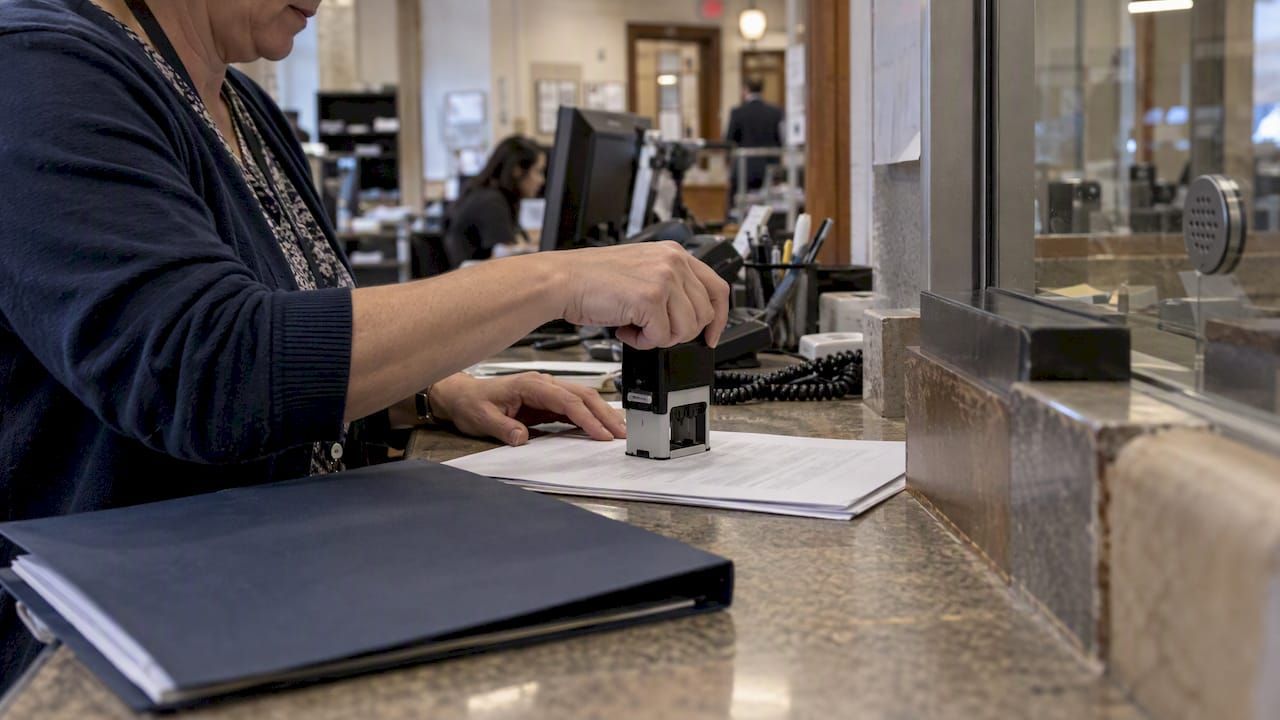
Yes, you can appeal a harassment prevention order in Massachusetts, and the window to act is short. The moment a judge issues or extends an order against you, we recommend filing a notice of appeal right away and contacting a Massachusetts attorney, since trial-court guidance and Appeals Court precedent set standards for what counts as a fair hearing.
TL;DR:
- The filing window generally runs from the order's entry, not the hearing date, and clerk docketing delays make waiting for mailed paperwork risky.
- Appeals courts review procedural fairness and legal error, not the facts anew; notice, opportunity to respond, and cross examination form the core protections.
- Potential grounds include excluded evidence, inadequate notice, an incomplete record, or jurisdictional defects; unpreserved errors or harmless mistakes are harder to win.
- Reversal or vacatur can remove restrictions and affect background checks or firearm rights; a remand sends the case back for a fair hearing.
Table of Contents
- How appeals of 258E harassment prevention orders work in Massachusetts
- Deadlines and timeline: how long you have to appeal and key calendar steps
- Common grounds for appeal in harassment order cases
- Step-by-step: starting an appeal in Massachusetts
- Possible appellate outcomes and what each remedy means
- When to hire an experienced Massachusetts attorney to handle an appeal
- How we can help with your harassment-order appeal
- FAQ
- Authoritative Massachusetts resources and relevant firm pages
How appeals of 258E harassment prevention orders work in Massachusetts
A harassment prevention order can be challenged on appeal when the hearing that produced it fell short of basic fairness or when the judge misapplied the law. The framework for these appeals comes from two sources working together: trial-court guidance that governs how 258E hearings are supposed to run, and Appeals Court decisions that set the floor for what due process requires in these proceedings.
Not every harassment prevention order ruling is treated the same way on appeal. Common rulings that may be appealed include:
- An initial order granted after an ex parte hearing, where the other party was not yet present.
- An extension order issued after a full hearing with both sides present.
- A ruling that follows a contested hearing on modifying, vacating, or terminating an existing order.
The Massachusetts Appeals Court reviews these matters for procedural fairness and legal error rather than re-deciding the facts from scratch. That means an appeal usually succeeds or fails based on what happened in the hearing room: whether you got proper notice, a real chance to respond, and a judge who applied the correct legal standard, not on whether the appellate panel would have ruled differently on the same facts.
Deadlines and timeline: how long you have to appeal and key calendar steps

The clock on an appeal of a harassment prevention order generally starts running when the trial court enters the order or judgment you want to challenge, and the standard window for filing a notice of appeal is short, so counting days from the hearing date rather than the entry date is a common mistake that costs people their right to appeal. Clerk docketing delays can also create confusion about when the window actually opened, which is one more reason to act immediately rather than wait for paperwork to arrive by mail.
Once the notice of appeal is filed, several other clocks start moving at once:
- Docketing the appeal with the appellate clerk's office.
- Ordering the hearing transcript from the court reporter or recording service.
- Assembling and designating the record on appeal for the court.
Pro Tip: Write down the exact date the order was entered the same day you leave the courthouse, and start your transcript request before the week is over.
Common grounds for appeal in harassment order cases
Appellate review of a harassment prevention order centers on whether you received the minimum procedural protections the law requires: meaningful notice of the hearing, a real opportunity to be heard, and the chance to cross-examine the person seeking the order. Appeals Court decisions have treated these protections as the baseline for a fair hearing, and a hearing that skipped one of them is often vulnerable on appeal.
The grounds that come up most often in these cases include:
- Lack of meaningful notice before the hearing took place.
- Improper exclusion of defense evidence or witness testimony the judge refused to hear.
- A materially incomplete record that leaves the appellate court unable to review what happened.
- Jurisdictional defects, such as a court acting outside its authority over the parties or the claim.
Not every error wins an appeal. The strength of a ground depends on whether it actually affected the outcome of the case and whether the issue was raised and preserved at the trial-court level. An error that was never objected to at the time can be much harder to raise successfully on appeal.
Step-by-step: starting an appeal in Massachusetts
Starting an appeal involves filings, and missing one step out of order can stall the whole process.
- File a timely notice of appeal with the court that issued the order, and keep proof of service showing when and how it was filed.
- Docket the appeal with the appellate clerk's office, which includes paying the required fee or applying for a fee waiver if you qualify.
- Order the transcript, designate the record, and serve opposing counsel , each with its own short deadline that runs from the notice of appeal.
- Confirm the briefing schedule and understand whether your appeal is interlocutory (mid-case) or follows a final judgment, since that affects timing and strategy.
Pro Tip: If you are running out of time to assemble the record, ask the trial court for an emergency motion to correct or clarify the record rather than letting the deadline pass.
Possible appellate outcomes and what each remedy means
An appeal of a harassment prevention order can have different outcomes, and each one carries its own next steps.
- Affirmance: The order stands exactly as the trial court entered it.
- Reversal or vacatur: The appellate court sets the order aside, which can remove the restrictions it imposed.
- Remand for a new hearing: The case goes back to the trial court to redo the hearing correctly, often because of a procedural gap.
- Modification: The order remains in some form but with adjusted terms.
A remand means the fight is not over. It sends you back to a trial-court hearing where the same evidentiary and fairness rules apply again. Because a harassment prevention order can affect background checks, firearm rights, and other civil consequences, a reversal or vacatur can matter well beyond the courtroom itself.
When to hire an experienced Massachusetts attorney to handle an appeal
Appeal deadlines leave almost no room for error, and an attorney helps preserve the record, meet filing windows, and frame the legal issues the Appeals Court actually reviews. Retained counsel typically handles record designations, orders transcripts, writes the brief, and argues the case if oral argument is scheduled. We built our practice around direct attorney involvement in every case, with experience handling Massachusetts criminal and protective-order matters firsthand.
— Michael Carroll
How we can help with your harassment-order appeal
We represent clients in harassment prevention matters and restraining order appeals, and we also handle clerk magistrate hearings that often arise alongside these cases.
When you call for a consultation, bring your order paperwork, the dates of any hearings, and copies of any written decisions the court issued. You work directly with Michael P. Carroll on your case, which means focused review from the first call.
- Harassment prevention order defense and appeals.
- Clerk magistrate and probable cause hearing representation.
Reach out through our Restraining Orders page to request a consultation and get specific guidance on your filing deadline before it passes.
This article is general information, not a substitute for advice from a qualified lawyer. Consult a qualified legal professional about your own circumstances before acting on anything here.
FAQ
How do you fight a harassment order in Massachusetts?
Fighting a harassment prevention order usually means challenging it at the hearing itself by cross-examining the petitioner, presenting your own evidence, and raising procedural objections on the record. If the order has already been entered, the next step is filing a timely notice of appeal and, where available, a motion to vacate or modify at the trial-court level.
What qualifies as harassment under Massachusetts law?
Massachusetts law generally requires a pattern of conduct directed at a specific person that causes fear or intimidation, though the exact statutory elements determine whether a particular situation qualifies. Because the standard involves specific legal definitions, reviewing the facts with an attorney is the most reliable way to know where a case stands.
How much does it cost to file an appeal in Massachusetts?
Appellate filing fees and transcript costs vary by case, and fee waivers may be available for those who qualify financially. Attorney fees for handling an appeal depend on the complexity of the record and briefing involved, so we recommend requesting a consultation for an assessment specific to your situation.
What proof is needed in a harassment prevention case?
Courts typically look for specific, credible evidence tied to the statutory elements of harassment, such as documented incidents, witness testimony, or records showing a pattern of conduct. On appeal, the focus shifts to whether the trial court properly considered the evidence presented and whether the hearing met minimum fairness standards.
How is appealing a harassment order different from other restraining orders in Massachusetts?
A harassment prevention order and an abuse prevention order follow similar appellate paths but rest on different statutory elements and relationship requirements between the parties. The procedural deadlines and fairness standards for appeal are closely related, but the underlying facts a court examines differ depending on which statute applies.
Authoritative Massachusetts resources and relevant firm pages
Readers preparing an appeal benefit from pairing official court guidance with practical, case-specific advice before filing anything.
- Same-Day Harassment Order Defense in Massachusetts: practical steps for urgent 258E situations.
- Attorney Checklist: No Contact Orders in Massachusetts: a preparation checklist for hearings and record-keeping.
- Harassment Prevention services: an overview of how we handle 258E matters from hearing through appeal.
- Court-Ordered Firearms Training Process: a procedural primer relevant to firearm-related compliance that sometimes follows a harassment order.
Recommended
This article is general information about Massachusetts law, not legal advice, and reading it does not make you a client of the Law Office of Michael P. Carroll, PC. Every case is different. If you are facing charges in Bristol, Norfolk or Plymouth County, call Mike to discuss your situation.