
Can You Beat a Failed Breathalyzer in MA?
Can You Beat a Failed Breathalyzer in MA?
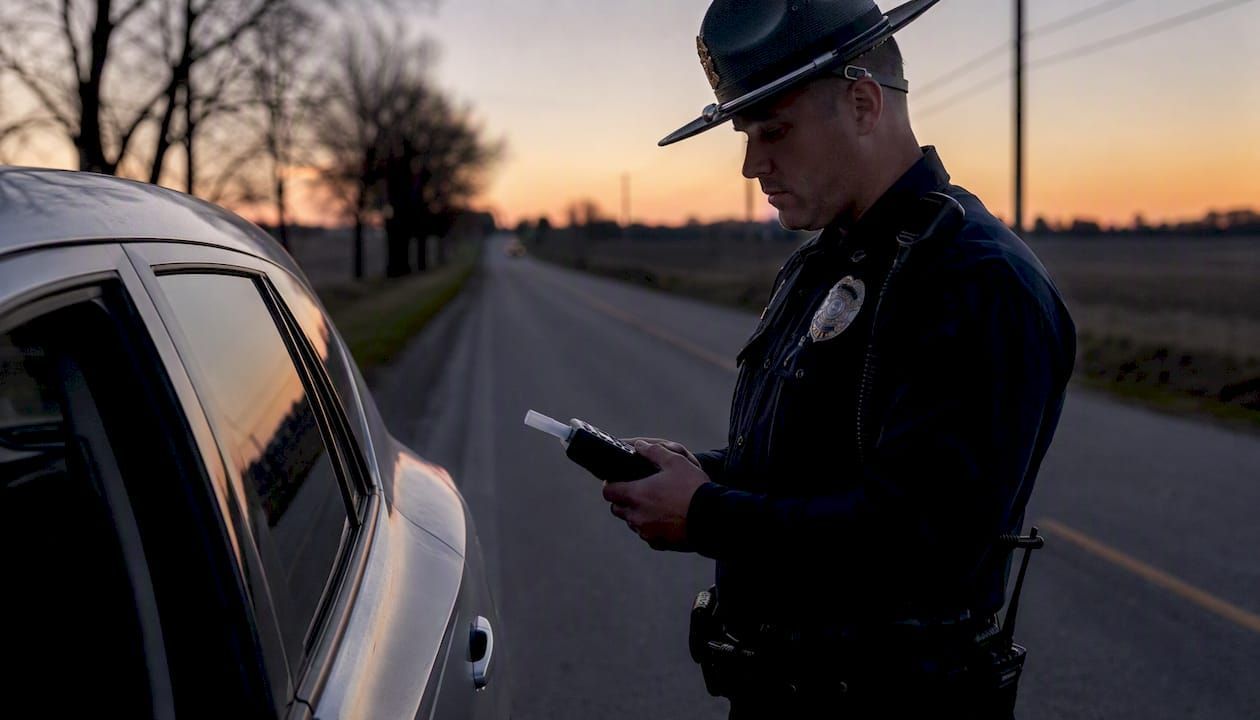
A failed breathalyzer in Massachusetts is not an automatic conviction. Under G. L. c. 90, §24, breath test results must meet specific admissibility requirements before they can be used against you, and several categories of defenses can suppress, exclude, or significantly weaken that evidence.
Here are the conditions that create real openings:
- Device problems. If your test used a Draeger Alcotest 9510 between June 1, 2011 and April 18, 2019, a statewide hearing already found those results were excluded from criminal prosecutions. That exclusion window is the most powerful single fact in Massachusetts breath-test law right now.
- Operator and protocol errors. Failure to follow the statutory observation period, improper §5A advisory, or chain-of-custody gaps can all support a motion to suppress.
- Medical and physiological causes. GERD, acid reflux, residual mouth alcohol, and certain metabolic conditions can produce falsely elevated readings.
- Timing and procedural defects. Delays between the stop and the test, failure to provide results promptly, and missing consent documentation all create arguable grounds under the statute.
Deadlines matter immediately. You have a narrow window to request an RMV hearing after a failed or refused test, and your attorney must move quickly to preserve device records and certification logs before they are overwritten or lost.
Pro Tip: If you were tested on an Alcotest 9510 between June 1, 2011 and April 18, 2019, check whether you received a court notice. Under Commonwealth v. Hallinan, that window creates a conclusive presumption of egregious governmental misconduct — one of the strongest procedural protections in Massachusetts criminal law.
Key Takeaways
A failed breathalyzer in Massachusetts can be challenged on device, operator, medical, or procedural grounds, and the Alcotest 9510 exclusion window under Hallinan creates the strongest presumption of misconduct in the state's OUI history.
| Point | Details |
|---|---|
| Tests can be challenged | Device errors, operator failures, medical conditions, and procedural defects all support suppression motions. |
| Alcotest 9510 window | Tests administered June 1, 2011–April 18, 2019 carry a conclusive presumption of governmental misconduct under Hallinan. |
| RMV deadlines are strict | You have 15 days from the suspension notice to request an RMV hearing; missing it forfeits administrative review. |
| Exclusion is not acquittal | Suppressing the breath test removes a key piece of evidence but does not end the case if other evidence remains. |
| Law Office of Michael P Carroll | Handles OUI breath-test defense across Bristol, Norfolk, and Plymouth Counties, including Hallinan-based plea-withdrawal motions. |
Table of Contents
- Can a failed breathalyzer be beaten in Massachusetts? The main defenses
- Should you take the breathalyzer? Tradeoffs between submitting and refusing
- How the RMV suspension process works and how to get your license back
- How Ananias, Hallinan, and the Alcotest 9510 litigation change your options
- What to do in the first 24 hours and first 30 days after a failed breath test
- What court outcomes are realistic after a failed breath test
- How an experienced Massachusetts OUI attorney helps your case
- Facing an OUI charge? Here's how the Law Office of Michael P Carroll can help
- Sources
- FAQ
Can a failed breathalyzer be beaten in Massachusetts? The main defenses
Massachusetts courts do not treat a breath test result as self-proving. Defense counsel can attack the result from multiple angles, and a successful challenge can lead to suppression, a reduced charge, or leverage in plea negotiations.
Device-focused defenses
The Alcotest 9510, manufactured by Draeger, was the standard device used by Massachusetts law enforcement for years. The Ananias litigation revealed that the Office of Alcohol Testing (OAT) withheld failed certification worksheets and operated without written calibration protocols from June 2011 through September 2014. That misconduct extended the exclusion window all the way to April 18, 2019. Even outside that window, defense counsel can demand OAT's device-specific maintenance logs, annual certification records, and the operator's training documentation. Gaps in any of those records support a Daubert-Lanigan hearing challenging the scientific reliability of the result.
Operator and procedural defenses
Courts in Massachusetts require strict compliance with the statutory prerequisites before a breath test result is admissible. As the SJC addressed in Commonwealth v. Lopes, consent forms and the §5A notification are part of the evidentiary predicate. If the arresting officer failed to:
- Observe the defendant for the required period before administering the test
- Properly advise the defendant of their rights under §5A
- Complete and preserve the consent documentation
- Maintain an unbroken chain of custody for the breath sample
…the result may be suppressible regardless of the BAC reading.
Medical and physiological defenses
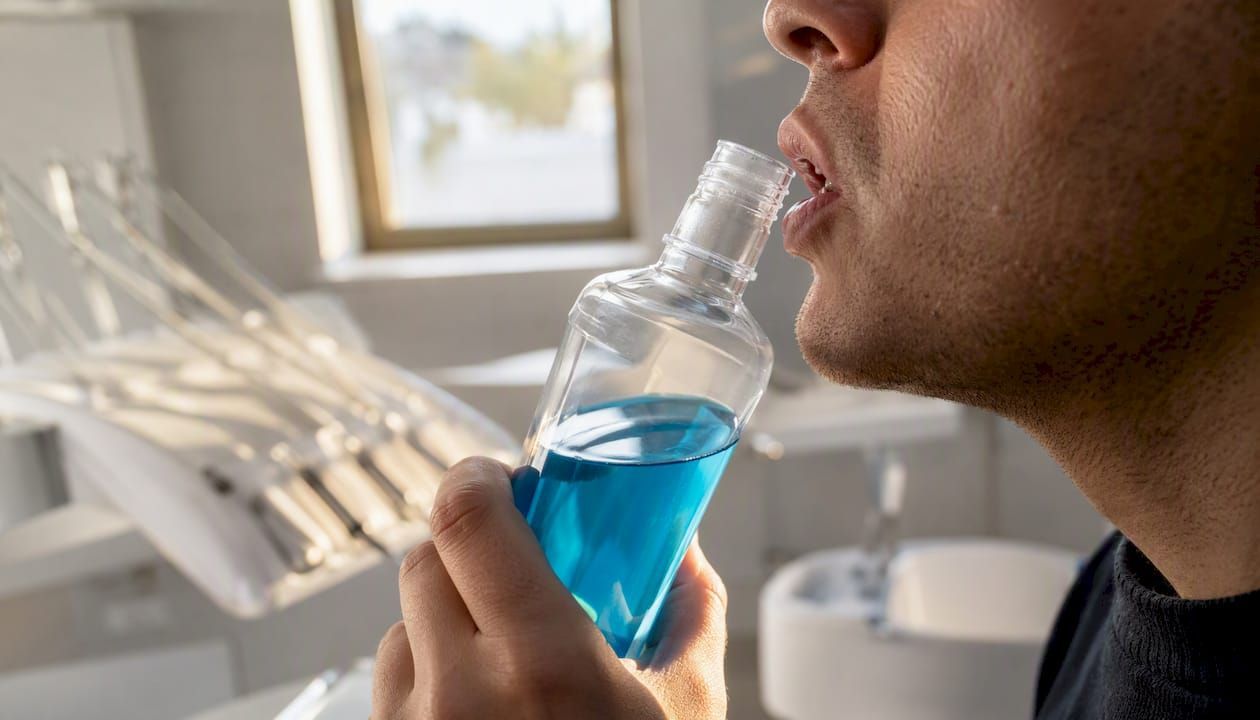
Breathalyzers measure alcohol in deep-lung air, but several conditions can skew that reading upward. GERD and acid reflux can push stomach alcohol into the mouth, inflating the result. Residual mouth alcohol from dental work, mouthwash, or recent vomiting can do the same. Diabetes and certain low-carbohydrate diets produce ketones that some devices read as ethanol. If you have any of these conditions, your medical records are potential evidence.
Timing defenses
The legal limit applies to your BAC at the time of driving, not at the time of the test. If there was a significant delay between the traffic stop and the breath test, an expert can argue your BAC was actually lower while you were behind the wheel. This "retrograde extrapolation" argument is fact-specific but has succeeded in Massachusetts courts.
Pro Tip: Start building your defense file the day of your arrest. Write down the exact time of the stop, the time you were asked to take the test, and any food, drink, or medication you had in the hours before driving. That timeline is the foundation of a timing defense.
Checklist for your attorney consultation:
- Device model and serial number (from arrest paperwork)
- Date and time of the test
- Name and badge number of the administering officer
- Whether you received a §5A advisory and signed a consent form
- Any medical conditions or medications
- Timestamped sequence of events from stop to test
- Whether you received a breathalyzer notice from the court
Should you take the breathalyzer? Tradeoffs between submitting and refusing
There is no universal right answer. The better choice depends on your age, your prior record, and the specific facts of the stop.
The core tradeoff: Taking the test and failing gives the prosecution a number. Refusing eliminates that number but triggers an automatic administrative license suspension under the implied-consent framework of G. L. c. 90, §24, and that suspension is often longer than the one for a failed test.
Typical suspension lengths for over-21 first-time offenders include administrative suspensions of varying lengths for failed tests and refusals depending on offense number, and refusals for under-21 drivers can result in multi-year suspensions.
Refusal also does not prevent a prosecution. Prosecutors can argue consciousness of guilt from a refusal, and they can still use field sobriety test results, officer observations, and dashcam video. For more detail on the penalties tied to refusing, see this breakdown of breathalyzer refusal in MA.
When refusal might make tactical sense: If your BAC was likely well above the legal limit and you have a prior OUI on your record, the longer suspension from refusal may be worth trading against keeping a high number out of evidence. That is a decision to make with counsel, not alone on the roadside.
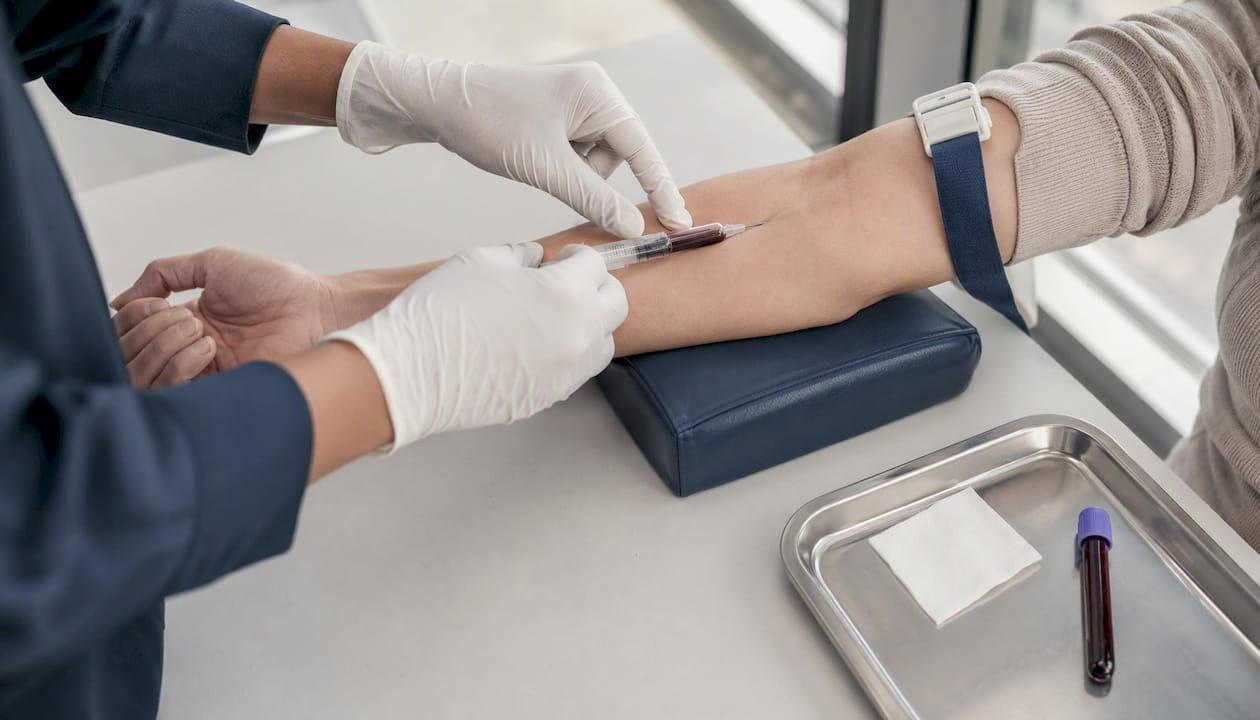
Pro Tip: You have the right to request an independent chemical test — typically a blood draw — in addition to or instead of the breath test. Ask for one at the hospital immediately after your arrest. Blood tests are analyzed by an independent lab and can sometimes produce a lower or more defensible result than the roadside device.
How the RMV suspension process works and how to get your license back
The RMV administrative suspension is separate from the criminal case. It moves on its own timeline and has its own deadlines. Missing those deadlines can cost you driving privileges for months even if the criminal case goes well.
The RMV's guidance on alcohol and drug suspensions outlines the reinstatement process for over-21 drivers. Administrative relief — hearings, limited stays, and ignition interlock options — is often faster to pursue than a criminal-motion strategy and can preserve your ability to drive while the criminal case is litigated.
Typical suspension lengths (over-21, first offense):
What to bring to your RMV hearing:
- Government-issued photo ID
- Copy of the suspension notice
- Arrest report and booking paperwork
- Breathalyzer notice (if issued)
- Consent form (or documentation that it was not provided)
- Any medical records relevant to the test result
- Attorney representation (strongly recommended)
Common arguments at the RMV level: The officer lacked reasonable grounds for the stop; the statutory advisory was not properly given; the suspension notice was procedurally defective. These arguments do not require proving the underlying criminal case — they only need to show the administrative prerequisites were not met.
How Ananias, Hallinan, and the Alcotest 9510 litigation change your options
This is the most consequential development in Massachusetts OUI law in decades, and it directly affects thousands of defendants.
The bottom line: If your breath test used a Draeger Alcotest 9510 between June 1, 2011 and April 18, 2019, the SJC's decision in Commonwealth v. Hallinan, 491 Mass. 730 (2023) gives you a conclusive presumption of egregious governmental misconduct. You do not have to prove OAT's misconduct in your individual case. You do, however, still need to show a reasonable probability that you would not have pleaded guilty had you known the breath test would be excluded.
The Ananias litigation: what OAT actually did
The Ananias consolidated litigation uncovered two distinct problems at OAT. First, from June 2011 through September 2014, OAT had no written protocols for certifying the Alcotest 9510. Second, OAT withheld failed certification worksheets from defense counsel during discovery. A judge found the earlier certification methodology presumptively unreliable, and remedial measures were ordered. Those remedial measures were not fully in place until April 18, 2019, which is why the exclusion window runs that long.
A large number of defendants received notices after the remedial measures were ordered, and prosecutors agreed not to attempt to establish Alcotest 9510 reliability in most pending cases.
Key litigation timeline
| Date | Event |
|---|---|
| June 1, 2011 | Alcotest 9510 rollout begins in Massachusetts |
| June 2011–Sept 2014 | OAT operates without written certification protocols |
| — | Ananias I: discovery failures found; remedial measures ordered |
| April 18, 2019 | Remedial compliance cutoff; exclusion window closes |
| 2023 | Hallinan: SJC establishes conclusive presumption of misconduct |
Action items if your test falls in the window
- Confirm the device model. Ask your attorney to pull the arrest report and breathalyzer notice — the device model should appear on both.
- Check whether you received a court notice. Mass.gov has guidance on how to check and what to do if you qualify.
- If you pleaded guilty, file a motion to withdraw your plea or a motion for a new trial. The Hallinan framework applies.
- If you cannot afford counsel, request appointed counsel — Mass.gov guidance confirms that option is available for eligible defendants.
- Act quickly. Post-conviction relief motions have their own deadlines, and delay weakens the argument that the plea was not knowing and voluntary.
What to do in the first 24 hours and first 30 days after a failed breath test
Speed matters. Evidence disappears, deadlines pass, and device logs get overwritten. The steps below are listed in priority order.
Within 24 hours:
- Contact an experienced Massachusetts OUI attorney and ask them to send a preservation letter immediately.
- Write down everything: the time of the stop, the time of the test, what you ate and drank, any medications, and the names of any witnesses.
- Note the officer's name and badge number from the arrest paperwork.
- Ask whether you were given a §5A advisory and whether you signed a consent form.
- Seek medical attention if you have any conditions that could affect the test result — and get documentation.
- Photograph any relevant scene details if you are able to do so safely.
Within 7–30 days:
- File for an RMV hearing within 15 days of the suspension notice.
- Through counsel, request the police report, the breathalyzer notice, and the officer's training records.
- Demand OAT certification records and the device's maintenance log for the specific unit used.
- Request dashcam and bodycam footage before it is deleted (many departments purge footage within 30 days).
- Obtain your medical records if a physiological defense is relevant.
Document request template for your attorney:
Pro Tip: The 15-day window to request an RMV hearing is strict. Missing it typically means accepting the full suspension without any administrative review. Put that date on your calendar the day of your arrest.
What court outcomes are realistic after a failed breath test
A breath test result is one piece of evidence. Courts weigh it alongside field sobriety results, officer observations, dashcam footage, and your prior record. The outcome depends on the totality of that picture.
Possible outcomes, from most to least common:
- Plea to a reduced charge. The most common resolution. If the breath test has procedural problems but other evidence is solid, a negotiated plea to a lesser offense is often the practical result. A first-offense OUI in Massachusetts carries no mandatory jail time, but a conviction stays on your record permanently.
- Suppression of the breath test. Wins when device records, operator errors, or procedural defects are documented. Suppression does not end the case — prosecutors can still proceed on other evidence.
- Dismissal. Possible when the breath test is suppressed and the remaining evidence (field sobriety, officer observations) is weak or contradicted by video. Rarer, but it happens.
- Acquittal at trial. Requires the jury to find reasonable doubt on all evidence. More likely when the breath test is excluded and field sobriety results are ambiguous.
- Motion to withdraw plea or new trial. Available under Hallinan for defendants in the Alcotest 9510 window who pleaded guilty. Success requires showing a reasonable probability the plea would not have been entered without the breath test evidence.
Factors that most influence your odds:
- Whether the Alcotest 9510 was used in the June 1, 2011–April 18, 2019 window
- Whether dashcam or bodycam video contradicts the officer's account
- The strength of field sobriety test results and whether they were recorded
- Your prior OUI record (a second offense carries mandatory minimums and affects felony exposure)
- How quickly counsel was retained and whether discovery was preserved
- Whether a medical defense is supported by records
Note that Commonwealth v. Zucchino, 493 Mass. 747 clarified that the consent requirement under §24(1)(e) applies specifically to prosecutions under §24(1)(a) and does not automatically extend to aggravated OUI schemes. If you face an aggravated charge, the consent-rule argument has limits your attorney needs to account for.
Pro Tip: Even when a suppression motion loses, filing it forces the prosecution to produce device records and puts the officer on the record about procedure. That discovery often reveals weaknesses that improve plea negotiations.
How an experienced Massachusetts OUI attorney helps your case
Hiring counsel is not just about having someone in the courtroom. The practical work happens before trial, and most of it is time-sensitive.
What a defense attorney does in an OUI breath-test case:
- Sends immediate preservation letters to police and OAT to prevent destruction of device records
- Files for and represents you at the RMV administrative hearing to protect your license while the criminal case proceeds
- Pulls OAT certification records and the specific device's maintenance log
- Files Daubert-Lanigan or Scott-Ferrara motions challenging the scientific reliability of the breath test
- Subpoenas dashcam and bodycam footage before it is purged
- Negotiates with prosecutors using suppression motion leverage
- Files motions to withdraw pleas or motions for new trials in Alcotest 9510-era cases under the Hallinan framework
- Advises on whether an independent blood test result is available and how to use it
Questions to ask in your first consultation:
- Have you handled Alcotest 9510 suppression motions or Hallinan-based plea-withdrawal motions?
- What is your experience with OAT discovery requests and Daubert hearings?
- Will you handle the RMV hearing, or is that a separate engagement?
- What is the likely timeline from arrest to resolution?
- What is your fee structure and retainer amount?
- What is your honest assessment of the evidence in my specific case?
A DUI attorney who knows the Ananias and Hallinan decisions cold will approach your case differently than one who does not. Those decisions created procedural leverage that did not exist before 2023, and using them correctly requires knowing the exact device model, the exact test date, and the current state of OAT's compliance records.
What actually matters when you're trying to beat a breath test in Massachusetts
Most people who call after a failed breath test want to know one thing: do they have a real shot? The honest answer is that it depends on facts most people do not think to gather in the hours after an arrest.
The Alcotest 9510 litigation changed the landscape significantly. Before Ananias and Hallinan, challenging a breath test required proving device-specific problems in your individual case. After Hallinan, defendants in the June 1, 2011–April 18, 2019 window get a conclusive presumption of misconduct without that individual showing. That is a meaningful shift. But it is not a free pass. You still need to show the plea would not have been entered without the breath test, and the prosecution can still proceed on other evidence even after exclusion.
The cases that resolve best tend to share a few characteristics: counsel was retained quickly, device records were preserved before they disappeared, and the defense team identified the full picture of evidence early rather than reacting to what the prosecution produced. A breath test result that looks devastating on paper often looks different once the maintenance logs, the officer's training records, and the dashcam footage are on the table.
Realistic expectations matter. Contesting a breath test takes months, sometimes longer. It costs money. And even a successful suppression motion does not guarantee dismissal. What it does is put you in a fundamentally stronger position than accepting the result at face value.
Facing an OUI charge? Here's how the Law Office of Michael P Carroll can help
A failed breath test is not the end of the road, but the window to act is short. The Law Office of Michael P Carroll handles OUI defense across Bristol, Norfolk, and Plymouth Counties, with direct representation from Michael Carroll on every case.
A first consultation covers the specific facts of your arrest, whether your test falls in the Alcotest 9510 exclusion window, your RMV hearing deadline, what discovery needs to be preserved immediately, and a clear picture of the fee structure. There are no hand-offs to junior associates. Michael works the case directly, from the RMV hearing through any suppression motions or trial.
Case outcomes cannot be guaranteed, and every case turns on its own facts. What can be guaranteed is that early contact preserves options that disappear with delay. If you are in Bristol County or the surrounding area, schedule a case evaluation now before deadlines close.
Sources
Key primary sources your attorney will cite and that you should review:
This article provides general legal information, not legal advice. Massachusetts OUI law is fact-specific and changes with new court decisions. Confirm current rules and deadlines with a qualified Massachusetts criminal defense attorney.
This article is general information, not a substitute for advice from a qualified lawyer. Consult a qualified legal professional about your own circumstances before acting on anything here.
FAQ
How long do you lose your license in MA for refusing a breathalyzer?
A first-offense refusal triggers a 180-day administrative suspension for drivers over 21; drivers under 21 face a 3-year suspension for any refusal under the implied-consent rules of G. L. c. 90, §24.
Is refusing a breathalyzer worse than failing one in Massachusetts?
For most first-time offenders, refusal carries a longer administrative suspension (180 days vs. 30 days) than a failed test, though it removes a BAC number from evidence. The better choice depends on your specific record and circumstances.
How do I get my license back after an OUI suspension in Massachusetts?
Request an RMV hearing within 15 days of the suspension notice, satisfy any reinstatement requirements (fees, alcohol education program, ignition interlock if required), and follow the steps outlined in the RMV's alcohol and drug suspension guidance.
What is the Alcotest 9510 exclusion window and does it apply to my case?
Breath tests administered on a Draeger Alcotest 9510 between June 1, 2011 and April 18, 2019 were excluded from Massachusetts criminal prosecutions following the Ananias litigation and the SJC's Hallinan decision. Check your arrest paperwork for the device model and date to see if your case falls in that window.
Can a second OUI offense change how a breath test challenge works?
Yes. A second offense carries mandatory minimum sentences and can affect felony exposure, which changes the stakes of a suppression motion and plea negotiations significantly. Review the specifics of second-offense OUI penalties in Massachusetts with counsel before deciding on a strategy.